
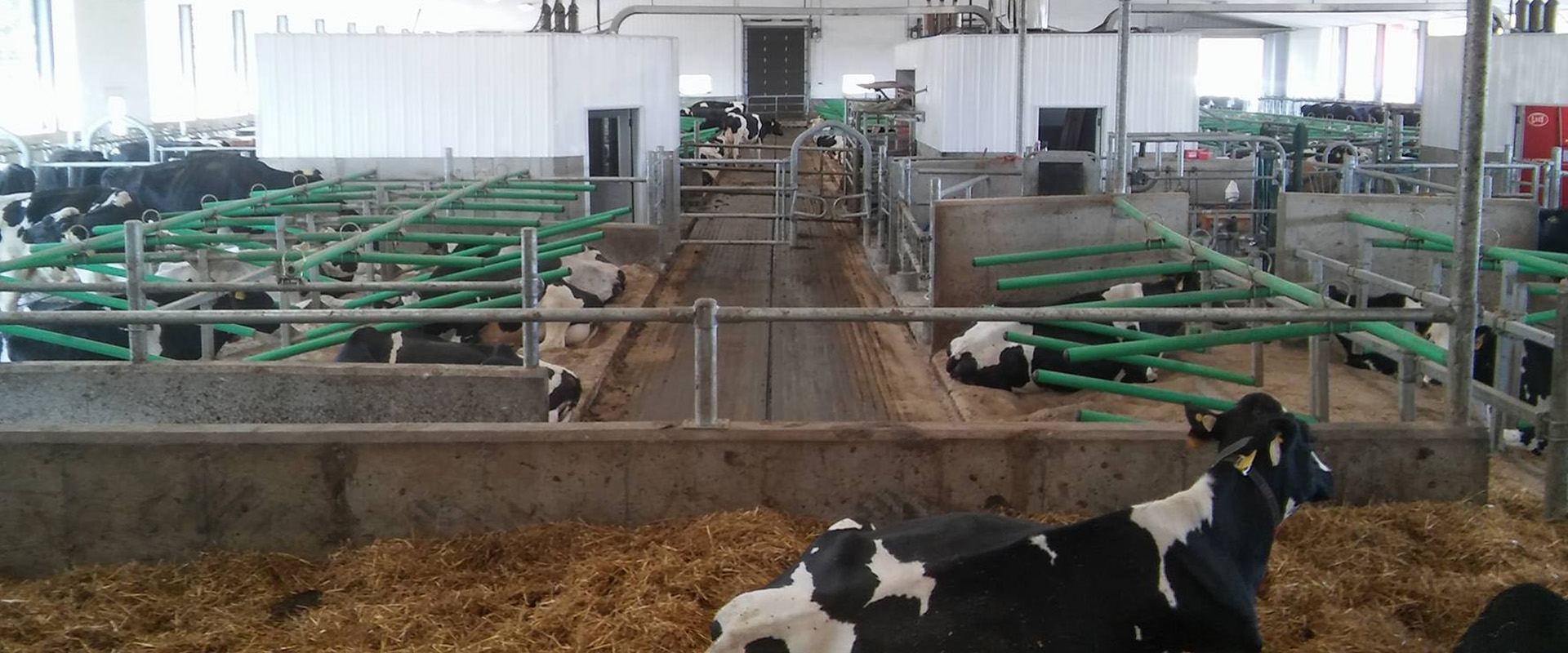
Concrete Grooving FAQ for Cow Safety | Farm Flooring Guide!!
Our trained and dynamic team works directly with you to make sure that every aspect of typical day of milk production is well respected for animals. Being in the milk domain since ever, we are very much aware of all the factors providing good results in a cattle.
Also, Traction Plus emphasizes on straight lines going the same way as the animals natural gait.
Our lines are wider, closer to each other and have the optimal depth.
Our prices are affordable and competitive. The return on investment is quick.
We can even vary the renders inside the same place depending on the needs of stability and traction wanted.
In terms of grooving and texturing, we favor straight lines going the same way as the animal.
The size of our lines vary from the ones of the other companies. They are proportionate according to the size of a hoot.
So when the animal steps foot, the distribution of its weight is more uniform on it. A chain reaction follows, a good weight distribution brings more balanced hoots, a better overall posture and a good gait
The price is calculated by the number of square foot. It varies depending on the chosen render and the size of the floor to work on. Contact us so we could discuss your project. We will then be able to give you a better quote of the price you would need to plan to have safer walking floors.
Concrete grooving is the process of cutting shallow channels into concrete floors. It provides better traction, reduces slipping, and enhances cow comfort in barns, milking parlors, and walkways.
Slippery floors can lead to injuries, reduced milk production, and stress for cows. Grooved floors improve grip, preventing slips and falls, which directly supports animal welfare and farm efficiency.
Grooving: Cutting shallow channels or patterns into hardened concrete for traction.
Floating/Planing: Smoothing or leveling fresh concrete to create a uniform surface before curing. Both processes are complementary: floating ensures flat surfaces, while grooving adds grip.
Yes. Proper grooving reduces wear and tear on hooves, decreases fall-related injuries, and prevents concrete surface damage caused by slipping cows, saving on veterinary and repair costs.
Ideally, grooving is done after floating and initial curing but before the concrete fully hardens. This ensures clean, precise channels without cracking the surface.
Absolutely. Grooved concrete works for feed alleys, barn entrances, and ramps, helping cows maintain traction in wet or muddy conditions.
Keep grooves clean of manure, bedding, and debris. Regular washing and occasional re-grooving or surface dressing may be required to maintain traction over time.
Yes. Properly designed grooves improve hoof stability and reduce stress, which can positively impact milk yield and overall health. Avoid deep or sharp grooves that could cause discomfort.